How Personal Defense Devices Work in Real Life
These tools are not about picking a fight. Every personal defense device in this category is built around one idea — give you enough time to get away. A pepper spray makes an attacker stop and think twice. A stun gun interrupts muscle control for a few critical seconds. A personal alarm turns a quiet street loud and draws eyes your direction. None of them require strength or training to use, and most fit in a purse, a pocket, or on a keychain.
Choosing the Right Personal Defense Device for You
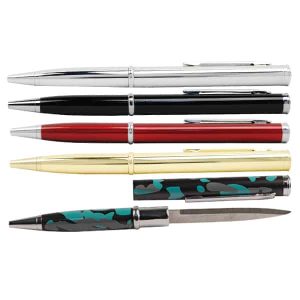
The best personal defense device is the one you will actually have on you. Think about your daily routine. If you are always on foot, a keychain pepper spray or personal alarm makes sense — small, accessible, no fumbling. If you spend time alone at home, a stun gun on the nightstand or a door alarm on the entry points adds a real layer of protection. If you want something discreet, disguised stun guns and covert options carry without broadcasting what they are.
What You Can Expect When You Order
Every personal defense device in this collection is tested for reliability and backed by a manufacturer warranty. These are not novelty items. They are tools meant to perform when the moment counts. If you have a question about how something works, what fits your situation, or whether a product ships to your state, reach out before you order. Getting the right tool into your hands matters more than making a quick sale.
Frequently Asked Questions About Personal Defense Devices
- Are personal defense devices legal to carry?
- Most personal defense devices — including pepper spray, stun guns, and personal alarms — are legal in the majority of U.S. states, but laws vary by state and city. Some areas have restrictions on voltage limits, spray canister size, or where you can carry. Always check your local laws before purchasing and carrying any personal defense device.
- Do I need training to use a personal defense device?
- Most personal defense devices are designed to be used without formal training. Personal alarms require nothing more than pulling a pin. Pepper spray and stun guns have a short learning curve, but both are straightforward. Familiarizing yourself with your tool before you need it is always a good idea — know where it is, how it opens, and how it fires.
- What is the most effective personal defense device for women walking alone?
- There is no single answer, but pepper spray and personal alarms are consistently recommended for people on foot. Pepper spray works at a distance, giving you space before a threat gets close. A personal alarm draws immediate attention and can deter an attacker before any physical confrontation begins. Many women carry both.
- Can I carry a personal defense device on public transportation or into a building?
- Rules vary depending on the transit system and the facility. Most public transit systems prohibit stun guns but may allow small pepper sprays. Buildings, courthouses, and schools often have their own policies. Check the rules for your specific area before you carry.
- How long does pepper spray last before it expires?
- Most pepper spray canisters have a shelf life of two to four years from the manufacture date, which is usually printed on the canister. After that point, the pressure and potency can degrade. Check your canister regularly and replace it when it reaches its expiration date.
- What is the difference between a stun gun and a TASER device?
- A stun gun requires direct contact — you have to press it against an attacker to deliver a shock. A TASER device fires two probes on wires, allowing you to stop a threat from a distance, typically up to fifteen feet. Both are personal defense devices, but they work differently and suit different situations.
Related Categories and Guides