


Barking Dog Alarm – 120dB, 3 Modes, 50-Foot Range
$79.95
Buy with Confidence
Covered by a 30-Day Money Back Guarantee. If it's not right for you, returns are easy and hassle-free.

Secure checkout • 100% Satisfaction Guaranteed • 30 Day Money Back Guarantee • Easy Returns • Fast Customer Support
The Barking Dog Alarm uses a radar sensor to detect movement up to 50 feet away — through walls and doors — and responds with a realistic barking sound, a 120dB siren, or a soft chime, giving you a warning while you still have time to act.
There is a stretch of night between two and four in the morning when the house goes completely still, and if you live alone — or if someone you love does — that quiet can sit heavy on you. You have already checked the locks. You have already walked the perimeter. But a lock only tells you someone is trying to get in after they are already at your door. The Barking Dog Alarm tells you someone is coming while they are still fifty feet away, out in the driveway or on the walk, where you still have time to make a decision.
Who This Home Alarm Is For
This one was made for specific people, and I want to name them plainly. It is for the older woman living alone in the house her family worries about every night. It is for the apartment renter whose front door opens onto a shared hallway where anybody can walk up to it. It is for the small business owner who closes up at seven and leaves merchandise in the back. It is for the parent who works a night shift and needs to know the house is covered while the kids are asleep. If any of those descriptions land close to home, keep reading.
Is It the Right Fit for You?
Choose It If You Want
- A warning before an intruder reaches your door, not after
- Deterrence that sounds like a dog without the cost of owning one
- A single device that works as an entry chime by day and a full alarm by night
- Plug-in setup with no wiring, drilling, or installation crew
Consider Another Option If You Need
- A portable alarm you can take room to room on battery power alone
- A system that integrates with a smart home app or sends phone alerts
- Coverage for multiple entry points from a single central hub
Barking Dog Alarm Features and Benefits
- 50-foot radar detection: The sensor reads motion through walls and doors, so you get an alert while someone is still on the approach — not when the handle is already moving.
- Realistic barking dog sound: Most people looking for easy targets have zero interest in a house with a dog. This mode handles deterrence before anything has a chance to escalate.
- 120dB siren mode: Louder than most car alarms. Loud enough to wake everyone in the house and carry into neighboring units or yards.
- Chime mode: A quieter alert for daytime business hours or family use — flip to alarm mode at night. One device, three different jobs.
- AC adapter included: Plugs into a standard outlet so the battery question never comes up during an emergency. Eight AA batteries (not included) serve as backup.
- Remote with battery included: Arm, disarm, or change modes without crossing the room.
- Window warning sticker included: Visible deterrence starts before the alarm ever sounds. Let people know the property is protected before they get close enough to test it.
How the Barking Dog Alarm Compares
Here is how this radar-based alarm stacks up against the two most common alternatives people consider.
| Feature | Barking Dog Alarm | Basic Door/Window Sensor | Standard Motion Alarm |
|---|---|---|---|
| Detection range | Up to 50 feet | Contact only — zero range | 15–20 feet typical |
| Detects through walls | Yes, radar sensor | No | No |
| Sound level | 120dB | 80–100dB typical | 100–110dB typical |
| Operating modes | Barking, siren, chime | Single tone | Single tone |
| Best for | Early warning and deterrence | Entry confirmation only | Interior room coverage |
Setup, Care, and What’s Included
What’s in the Box
The Barking Dog Alarm ships with an AC adapter, a remote with battery, and a window warning sticker. Eight AA batteries for backup power are not included and sold separately.
Setup and Care
Plug the AC adapter into a standard outlet, point the unit toward the area you want monitored, and use the included remote to select your mode. The unit weighs 3.3 pounds and measures 6 inches by 5¾ inches by 3¾ inches — solid enough to stay put on a shelf or table without mounting hardware. Wipe the housing with a dry cloth; keep it away from moisture.
Legal Notes
Personal and home alarm devices of this type are generally unrestricted for residential and commercial use. No special permits are required in most jurisdictions. If you are installing this in a rental unit, multi-unit building, or commercial space, it is worth confirming with your landlord or property manager that audible alarm devices are permitted under your lease or building rules.
Barking Dog Alarm: Frequently Asked Questions
How far away can the Barking Dog Alarm detect movement?
The radar sensor has a range of up to 50 feet. Because it uses radar rather than infrared, it can pick up motion through interior walls and doors — which means you get a warning while someone is still outside or in an adjacent space, not the moment they cross your threshold.
What are the three modes on the Barking Dog Alarm?
The alarm gives you a barking dog sound for deterrence, a 120dB siren for full alert, and a chime for quiet entry notification. You switch between them using the included remote. Most people run chime during the day and switch to barking or siren mode at night or when leaving the house unattended.
Does it need to be hardwired, or can it run on batteries?
It runs on AC power through the included adapter, which keeps it on continuously without you needing to think about it. Eight AA batteries (not included) provide backup power. No wiring or installation is required — plug it in, position it, and it is ready.
How loud is 120 decibels, really?
A standard car alarm runs around 110 to 115 decibels. At 120dB, the siren on this unit is genuinely startling at close range — loud enough to wake a sleeping household and be heard clearly in adjacent units or a neighboring yard. That level of noise is the point: it draws attention fast.
Put This Alarm to Work Tonight
You do not have to lie there listening anymore. The Barking Dog Alarm does the watching for you — fifty feet out, through the wall, before anything gets close. Add it to your cart, plug it in tonight, and let it earn its place. That is the whole point of having it.
| Manufacturer | Safety Technology |
|---|---|
| Battery | 8 AA (Not included) |
| Decibles | 120 db |
| Range | 50 feet |
| Modes | Alarm, Barking Dog, Chime |
| Color | White |
| Included | AC Adapter, Remote with Battery, Window Warning Sticker |
| Warranty | 1 year |
| Weight | 3.3 lbs |
| Dimensions | 6" x 5 ¾” x 3 ¾” |
Additional information
Related products
-
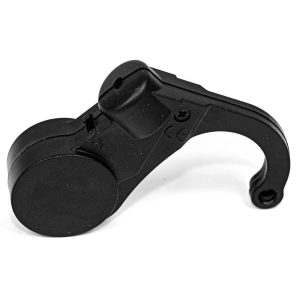
Nap Alarm – 80dB Head-Tilt Drowsy Driving Alert
$9.95 Add to cart -
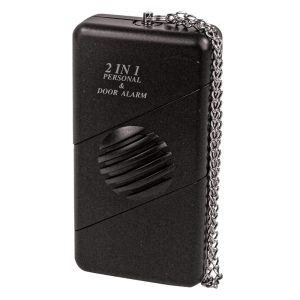
2-in-1 Personal and Door Alarm – 120dB, Pull Chain
$10.95 Add to cart -
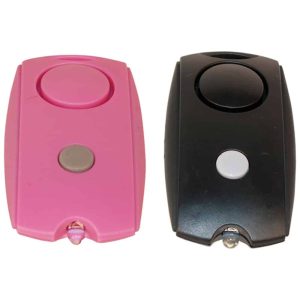
Mini Personal Alarm – 120dB Siren with LED Flashlight
$8.95 Select options This product has multiple variants. The options may be chosen on the product page -

Compact Air Horn Alarm – 129dB, 65-Foot Range, USCG Approved
$14.95 Add to cart
Reviews
There are no reviews yet.