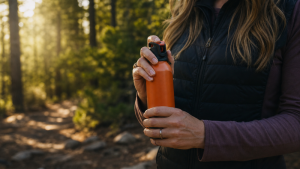
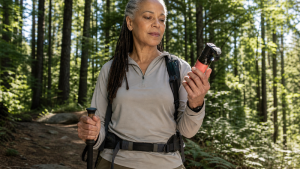
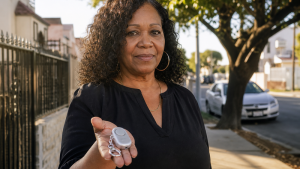
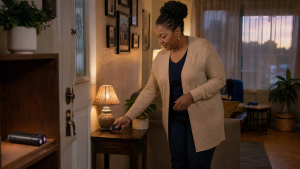
The most effective tools for walking alone aren’t always the obvious ones. A 130-decibel personal alarm, a compact pepper spray gel, a rechargeable stun device, a tactical flashlight that doubles as a striking tool, a discreet blade for everyday carry, a door alarm for when you get home, and — the one nobody talks about — your own phone set up correctly, all work together. The real innovation isn’t any single product. It’s carrying a *system* instead of one thing and hoping for the best.
Why most “walking alone” advice is stuck in 2010
Here’s something nobody tells you: the advice about walking alone hasn’t changed much in fifteen years, but the streets have. “Carry your keys between your fingers.” “Walk with confidence.” “Stay off your phone.” I’ve heard it my whole life, and honestly? Half of it doesn’t hold up anymore.
Keys between your fingers can break your hand before they do anything to a grown man coming at you with real intent. Walking with confidence doesn’t stop someone who’s already decided you’re a target before you crossed the street. And telling women to put their phones away ignores that a phone, set up right, might be the smartest self-defense tool most people already own.
What’s actually changed is the technology. What hasn’t changed is that most people are still carrying what their grandmother carried, if they’re carrying anything at all. So let’s rethink this from the ground up — seven tools, some of which will surprise you, that actually do something when it counts.
What’s the one tool most people overlook completely?
Noise. Specifically, a loud, obnoxious, can’t-ignore-it personal alarm — and it’s the tool most “self-defense checklists” bury at the bottom or skip entirely, which makes no sense, because it’s the one that requires zero skill and zero hesitation.
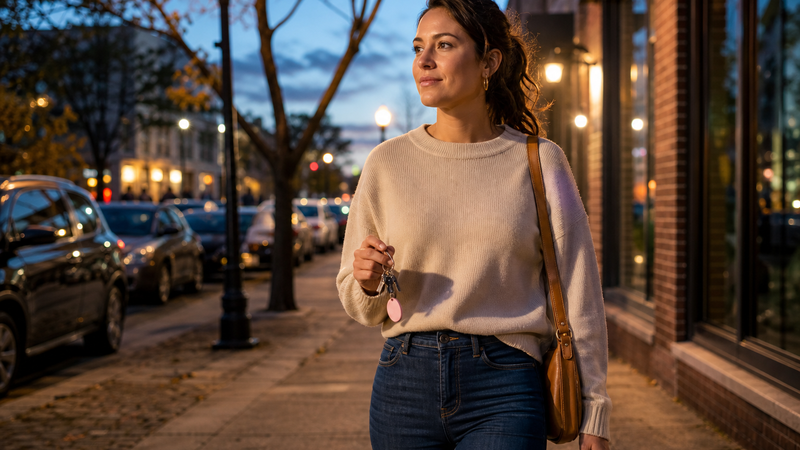
Clip a 130-decibel alarm to your keychain or bag strap. Pull the pin, and it screams loud enough to turn heads from half a block away. No aim. No fighting instinct required. No decision-making under stress about angles or distance. You pull, it screams, attention comes your way — and attention is the one thing almost every predator is counting on not getting.
The innovation here isn’t the alarm itself — it’s understanding that the goal was never to fight. The goal is to make a quiet situation loud, fast, before it becomes something worse. That’s a different way of thinking about self-defense than most people were raised on, and it’s the reason this little device belongs on every keychain, not just the ones people think to buy after something’s already happened.
Is pepper spray still the best option, or has something better come along?
Pepper spray still works — but not all pepper spray works the same way, and that’s where most people get it wrong. A stream formula can miss in windy conditions or bounce back at you. A fog can drift and affect bystanders, or you, in close quarters. A gel formula sticks to what it hits, resists wind, and doesn’t blow back into your own face — which matters more than people realize until they’re standing outside on a windy corner at 9pm.
If you want the deeper breakdown on which formula fits which situation, I wrote a full comparison in Pepper Spray Gel vs. Stream vs. Fog: Which Formula Should Women Actually Carry. But here’s the short version: for walking alone, gel is usually the smarter call. It’s more forgiving of a shaky hand and bad weather, and it doesn’t require perfect aim to be effective.
Compact options from Mace, Wildfire, and Pepper Shot all make gel formulas small enough to clip to a keyring or drop in a coat pocket — no bulk, no excuse not to carry it.
Should you carry a stun gun, or is that overkill for a simple walk?
This is where most lists get lazy and just say “carry a stun gun” without explaining that not all stun devices are built for the same job. A stun gun requires contact — you have to be close enough to press it against someone. That’s a very different tool than something designed to work at a distance, and knowing the difference changes which one actually makes sense for your walk.
For a lot of people walking short distances — from a car to a front door, from a bus stop to a building — a compact, rechargeable stun device like a ZAP or Streetwise model fits in a pocket and delivers a serious deterrent if someone gets in your space. For longer walks through more unpredictable areas, some people prefer something with distance capability instead. I broke down exactly how these differ in Stun Gun vs. TASER: The Difference That Could Change Which One You Carry — it’s worth five minutes before you decide which one fits your actual walk, not just what sounds tough.
Why is a flashlight one of the smartest self-defense tools you’re not carrying?
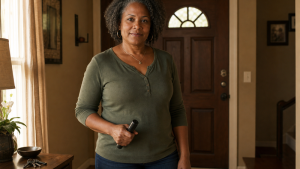
Nobody thinks of a flashlight as a self-defense tool, and that’s exactly why it works so well. A bright tactical light, like a Strikelight 2, does two things most people never connect: it lets you see who’s near you before you’re surprised, and a sudden blast of high-lumen light directly in someone’s eyes buys you real disorientation time — theirs, not yours.
Some models double as a striking tool with a hardened bezel, which means you’re carrying something that looks completely ordinary — nobody blinks at a woman holding a flashlight — but functions as backup if things go sideways. That’s the kind of quiet innovation that matters: a tool that doesn’t scream “weapon” until the moment you need it to.
What role does a knife actually play in walking-alone safety?
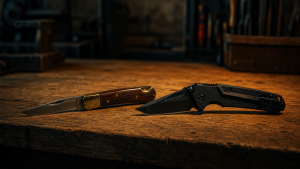
A knife isn’t the first tool I’d reach for walking alone, and I’ll be honest about that — it requires proximity, and proximity is exactly what you’re trying to avoid. But for people who already carry one daily for practical reasons, having a compact, easy-to-open blade as a last-resort backup is worth understanding properly, not just tossing in a bag and forgetting about.
If you’re going to carry one, carry it right — proper grip, proper placement, something you could actually access one-handed under stress. I go deeper into models and everyday-carry options on the Knives for Everyday Carry page. Think of it as the last line, not the first.
What happens after the walk — does your safety plan end at the front door?
Here’s the part almost every “walking alone” article completely ignores: the walk isn’t over when you reach your door. That last thirty seconds — key in the lock, door swinging open, stepping into a dark hallway — is a moment predators specifically watch for, because it’s when your guard drops.
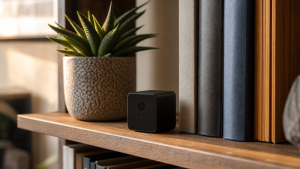
A door alarm that alerts you to entry, or a chime that sounds the second your door opens, closes that gap. I put together a full list of practical, entry-point-specific options in Door Alarms for Women Living Alone: Practical Picks That Cover Every Entry Point. Products from MultiGuard and SMART cover doors, windows, and even motion in a way that most people don’t think about until after something’s already happened.
And if your walk happens at 2am instead of 6pm — coming off a shift, heading to a car in an empty lot — the calculus changes entirely. I wrote a dedicated piece on that exact scenario: Self-Defense Tools Built for Night Shift Workers: What Actually Works at 2 AM. Worth a read if that’s your walk.
Frequently Asked Questions About Walking Alone Safety
What’s the single most important tool to carry when walking alone?
There isn’t one single best tool — that’s the mistake most people make. A personal alarm gets attention fast with zero skill required, while pepper spray or a stun device gives you options if someone closes distance. Carrying just one and assuming it covers every scenario is where people get caught off guard.
Is pepper spray legal to carry in most states?
Pepper spray is legal in the vast majority of states for personal protection, though a few states restrict canister size or formula strength. Laws vary by location, so check your specific state and city regulations before you buy or travel with one.
Can I carry a stun gun and pepper spray at the same time?
Yes, many people carry both, since they serve different purposes — pepper spray works at a short distance before contact, while a stun gun requires you to be close enough to make contact directly. Carrying both gives you options depending on how a situation unfolds.
What should I do if someone is following me while I’m walking alone?
Trust that instinct immediately — don’t talk yourself out of it. Cross the street, head toward a lit, populated area like a store or gas station, and pull out your personal alarm or phone. Call someone out loud, even if no one answers. Predators look for isolation, and removing it is often enough to end the situation.
Do personal alarms actually work, or are they just noise?
They work precisely because they’re just noise — loud, sudden, unmissable noise. A 130-decibel alarm draws immediate attention from anyone nearby, which is exactly what most predators are trying to avoid. It requires no aim, no strength, and no hesitation to use.
What’s the best flashlight for self-defense while walking?
Look for a compact model with high lumen output and a hardened strike bezel, like a Strikelight 2. A sudden burst of bright light directed at someone’s eyes causes real disorientation, and the hardened edge gives you a backup striking option if needed — all in a tool that looks completely ordinary.
Should college students carry the same tools as everyone else?
Mostly yes, but campus rules can restrict certain items like stun devices or certain blade lengths. I covered exactly what’s allowed on most campuses in Self-Defense on Campus: The Non-Lethal Options You Can Actually Carry at Most Schools — worth checking before you assume your everyday carry is campus-approved.
How many self-defense tools should I actually carry at once?
Two to three is realistic and effective — one for distance, like pepper spray or an alarm, and one for closer contact, like a stun device. Carrying seven different gadgets isn’t practical and usually means fumbling when it matters. Pick what fits your actual walk, not everything on a list.
The real innovation is thinking differently, not buying more
None of these seven tools are magic, and none of them replace paying attention to the world around you. But the way most people think about walking alone is stuck in old habits — one flashlight-shaped keychain gadget from a decade ago, or nothing at all. The real shift is understanding that safety isn’t one tool. It’s a system — noise, distance, contact, light, and what happens the second you’re back through your own front door.
Pick two or three that actually fit your walk, your route, your life. Carry them like you mean it. And baby, walk like you already know you’re covered — because now, you do.