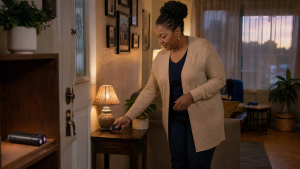
Diversion safes and gun safes are built for completely different jobs. A gun safe is a heavy, reinforced vault designed to secure firearms and prevent unauthorized access. A diversion safe is a disguised container — made to look like a common household item — designed to hide valuables in plain sight. Neither one replaces the other, and for most households, both have a role to play.
Choosing where to keep your important things is one of those decisions that feels minor until the day it matters. I have talked to neighbors who lost jewelry, cash, and documents in a break-in — not because they had no safe, but because a thief knew exactly where to look. A gun safe bolted to the floor is secure, but it is also the first thing a determined burglar goes looking for. A diversion safe works on a different principle entirely: if nobody knows it is there, nobody tries to get into it.
What makes a gun safe different from a diversion safe?
A gun safe is built around physical strength. Heavy-gauge steel walls. Locking bolts that extend into the door frame. Fire ratings measured in how many minutes the interior stays below a critical temperature. They are designed to resist force — a crowbar, a drill, time. The better ones are bolted to the floor or wall so they cannot simply be carried out. If you own firearms, a proper gun safe is not optional. It is how you keep those weapons out of the hands of children and people who have no business touching them.
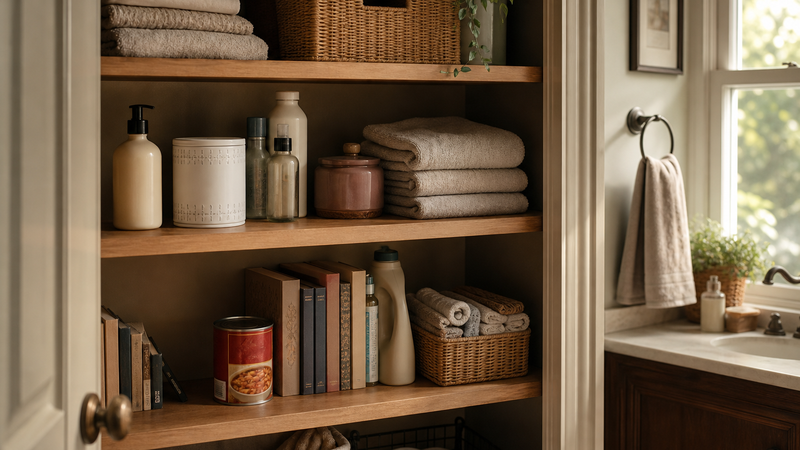
A diversion safe works on an entirely different principle. It does not resist force — it avoids attention. A diversion safe looks exactly like a can of soup, a book on a shelf, a bottle of laundry detergent under the sink. A burglar moving quickly through your home, which most of them do — statistics consistently show the average break-in lasts under ten minutes — is not pulling every can off your pantry shelf. They are going straight for the obvious spots: the master bedroom dresser, the nightstand, the closet shelf, the bathroom medicine cabinet, and yes, the room where a gun safe sits.
What a diversion safe lacks in brute strength, it makes up for in invisibility. And for cash, jewelry, a spare key, a backup credit card, or an emergency document — invisibility is often protection enough.
Are diversion safes actually secure, or are they just a gimmick?
This is the honest question, and it deserves a straight answer. A diversion safe will not stop a determined thief who knows it is there. It has no locking mechanism that will withstand a serious attack. If someone picks it up and shakes it, they will know something is inside. So no — it is not a vault, and nobody should pretend otherwise.
But that framing misses how diversion safes actually work. Their security comes from concealment, not confrontation. The question is not whether a diversion safe can survive a targeted attack — it is whether it survives being overlooked entirely. In most residential burglaries, the answer is yes. Thieves are not conducting careful searches. They are grabbing what is obvious and getting out.
Think about where most people keep their cash and extra jewelry. The dresser. The bedside table. The top shelf of the closet. These are the first places a burglar checks because these are the places burglars have always found things. A can of beans in the pantry or a hairspray bottle under the bathroom sink does not make that list. That is the entire idea.
For a deeper look at how to keep your diversion safe for valuables working the way it should, it helps to think about placement as much as the safe itself.
When does it make sense to use a diversion safe instead of a gun safe?
The short answer: use a diversion safe for everyday valuables you want to keep accessible but hidden. Use a gun safe for firearms, large amounts of cash, and irreplaceable documents that need to survive fire or a direct attempt at theft.
A gun safe is an investment — they can run from a few hundred dollars on the low end to several thousand for a serious fire-rated unit. Not every household has the budget, the floor space, or the physical ability to install one. A renter cannot always bolt a heavy safe to the floor. An elderly person living alone may not have someone to help her move a 200-pound cabinet. These are real circumstances, and they deserve real answers — not just “buy a better safe.”
Diversion safes are affordable, lightweight, and require no installation. They work in apartments, rental homes, dorm rooms, RVs, and anywhere else a traditional safe is impractical. They are also genuinely useful as a second layer of security even for households that do own a gun safe. Spreading your valuables between multiple locations — a fireproof gun safe for your most critical items and a few diversion safes for everyday cash and jewelry — means a thief who finds one does not find everything.
If you are also thinking about personal protection beyond just securing your belongings, our page on TASER vs. stun gun for self-defense covers the options in plain terms.
Do diversion safes offer any fire protection?
Standard diversion safes do not offer meaningful fire protection. They are disguise devices, not fire-rated vaults. If your home experiences a serious fire, a basic diversion safe will not protect paper documents, currency, or photographs from heat or flame damage.
That said, there are options that combine concealment with at least some level of fire resistance. A diversion safe with fireproof protection is a different category — designed to maintain the look of an ordinary object while providing interior protection that standard models do not. These are worth considering if you are storing documents or items that cannot be replaced.
For truly irreplaceable paperwork — a will, a birth certificate, a passport, property deeds — a fire-rated gun safe or a dedicated fireproof document safe is still the stronger choice. But for the majority of everyday valuables, the combination of concealment and light fire resistance covers most real-world risks.
Where should you put a diversion safe in your home?
Placement is where a diversion safe either works beautifully or fails completely. The whole strategy depends on the safe looking like it belongs.
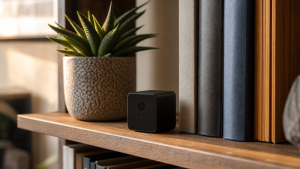
A soup can safe belongs in the pantry among other cans, not sitting alone on a shelf. A book safe works on a crowded bookshelf, not on an empty nightstand. A cleaning product safe goes under the bathroom or kitchen sink, surrounded by other cleaning supplies. The context sells the disguise.
Avoid putting a diversion safe in the master bedroom if you can help it. That room gets searched first and most thoroughly. The kitchen pantry, the bathroom cabinet, the linen closet, the home office bookshelf — these are all stronger locations because they are lower on a burglar’s priority list.
Think also about accessibility. If you need to get to this safe regularly, or quickly in an emergency, put it somewhere you can reach it calmly and without drawing attention. Hiding something so well that you panic looking for it yourself defeats the purpose.
Can a diversion safe and a gun safe work together?
They can, and honestly, using both is smarter than relying on either one alone. A layered approach to home security is simply more reliable. No single method is perfect, and any experienced person in this space will tell you that plainly.
Here is how that can look in practice. A fire-rated gun safe, properly anchored, holds your firearms, your most critical documents, and anything else that absolutely cannot be lost or damaged. Meanwhile, two or three diversion safes placed around the house hold your everyday cash, a spare piece of jewelry, a backup credit card, or an emergency set of keys. If a burglar finds the gun safe and spends time on it — or even gets into it — they have likely left the pantry shelf untouched. The diversion safes did their job.
This kind of layered thinking applies to personal safety outside the home too. A stun gun in your bag, a personal alarm on your keychain, awareness of your surroundings — none of these things work alone. They work together. Our related post on the difference between a stun gun and a TASER gets into how that thinking applies to what you carry.
What should you actually store in a diversion safe?
Keep it practical. A diversion safe is not a bank vault, and it should not be treated like one. Here is what it does well:
Cash you keep at home for emergencies — a few hundred dollars in small bills is not going to weigh down a soup can or raise suspicion. A spare key to a car or a secondary property. Jewelry that is not an heirloom — items you wear regularly but would not be devastated to replace. A backup credit card or debit card. A USB drive with copies of important documents.
What does not belong in a standard diversion safe: your actual firearm, your only copy of a critical legal document, a large amount of cash that you cannot afford to lose to fire, or anything that needs a climate-controlled or truly fire-resistant environment. Those items belong in a proper safe.
The goal is to match the tool to the task. A diversion safe is excellent at what it is designed to do. Use it for that.
Frequently Asked Questions About Diversion Safes and Gun Safes
Can a burglar tell a diversion safe from a real household item?
A well-made diversion safe is designed to be indistinguishable from the real product it imitates — same weight range, same packaging, same look. If it is placed correctly among similar items, most burglars moving quickly through a home will not identify it. The risk increases if it is placed alone or in an obvious location, which is why placement matters as much as the safe itself.
Are gun safes required by law if you own a firearm?
Laws about firearm storage vary significantly by state and locality. Some states require that guns be stored in a locked container when not in use, particularly in homes with children. Others have no such requirement. This is something every firearm owner should look up for their specific state. A gun safe is always a sound safety practice regardless of what the law requires.
How much do diversion safes typically cost?
Most diversion safes fall in the range of fifteen to sixty dollars, depending on size and the type of item they are designed to imitate. Fireproof diversion safes cost more. They are significantly less expensive than gun safes, which can range from a couple of hundred dollars for a basic model to several thousand for a heavy-duty, fire-rated unit.
Can I use a diversion safe in an apartment?
Absolutely. Diversion safes are one of the best options for renters because they require no installation, no drilling, and no modifications to the unit. They also move with you when you leave. For anyone in an apartment, a condo, a rental home, or even a dorm room, a diversion safe is a practical and low-commitment way to protect everyday valuables.
What is the best type of diversion safe for a kitchen?
A can safe — designed to look like a common food product — works well in a kitchen pantry surrounded by similar cans or boxes. Some are designed to look like cleaning products, which also blend naturally into a cabinet under the sink. The key is choosing something that genuinely fits the environment so it does not stand out.
Do diversion safes come in fireproof versions?
Some do. A standard diversion safe offers no fire protection, but there are models designed to combine concealment with a fire-resistant interior. These are worth considering if you plan to store documents or currency that could not survive a house fire. They tend to cost more than standard diversion safes and are still not a replacement for a proper fire-rated gun safe for critical items.
Should I tell my family members where the diversion safe is?
That depends on your household. The adults in your home who might need access to what is inside — emergency cash, a spare key — should know where it is. Children old enough to be curious but not old enough to be trusted with the contents probably should not. The same logic you would apply to a gun safe applies here: share information on a need-to-know basis and make sure anyone who needs access can find it calmly in an emergency.
Can a diversion safe replace a gun safe entirely?
No. A diversion safe is not appropriate for storing firearms. It offers no meaningful resistance to anyone who picks it up and examines it, and it provides no protection against fire that a gun-specific fire-rated safe would. If you own firearms, a proper gun safe is the right tool for that specific job. A diversion safe complements a gun safe — it does not replace it.
—
The truth about home security is that it is never one thing. It is layers. It is good habits and the right tools in the right places. A gun safe and a diversion safe are not competitors — they are partners, each doing something the other cannot.
If you are looking at where to start, a quality diversion safe for your everyday valuables is an affordable, practical first step that works in any home, any living situation, any budget. And if you want to add to that with something that can keep your documents and more critical items safer still, a fireproof diversion safe takes it a step further. Start somewhere. Start today. The things you’re protecting are worth it.